




 Flex Plans
 Forms
Forms HSA
HSA HRA
HRA Retirement
 Health Shopper
 FSA Store
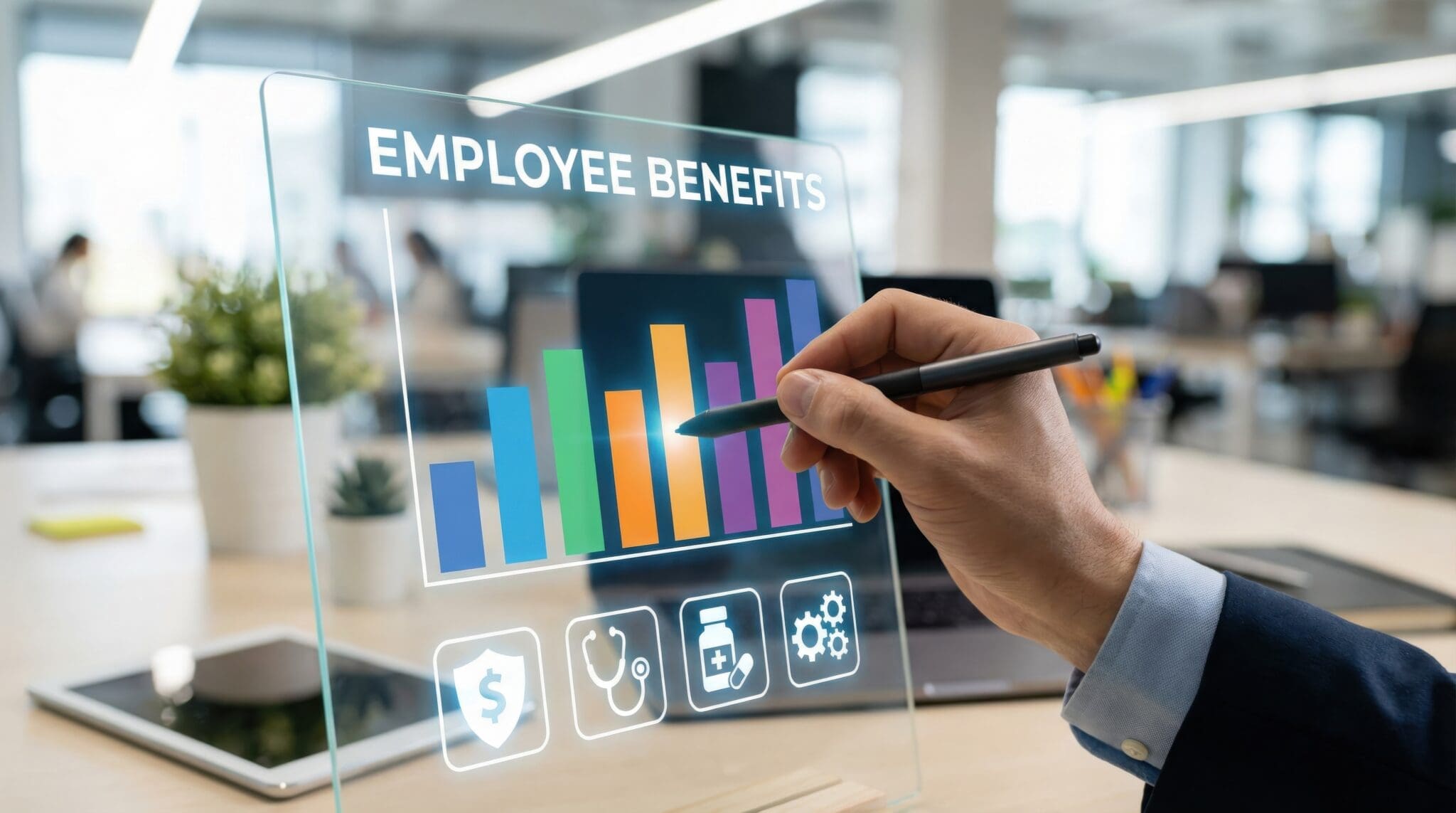
2026’s Top 10 Employee Benefits Trends: What Employers Need to Know

Employee expectations continue to evolve, and in 2026, benefits are about much more than traditional health coverage. Today’s workforce is looking for personalized experiences, intuitive technology and benefits that support every aspect of their lives.
For employers, staying competitive means adapting benefit strategies to meet these changing needs. Here are 10 key employee benefits trends shaping 2026 and what they could mean for your organization.
1. Personalized Benefits Are Becoming the Standard
The era of one-size-fits-all benefits is fading. Employees increasingly expect benefit options that align with their unique life stages, family situations and financial goals.
Employers are using data and employee insights to create more flexible and personalized benefit offerings that improve engagement and satisfaction across diverse workforces.
2. Whole-Person Wellness Continues to Expand
Wellness programs now extend beyond physical health. Employers are investing in programs that support mental, emotional and financial well-being alongside traditional healthcare benefits.
From mental health resources and virtual care options to financial education and wellness incentives, organizations are creating more comprehensive support systems for employees.
3. Financial Wellness Is a Growing Priority
Financial stress remains a leading contributor to employee burnout and reduced productivity. As a result, financial wellness programs are becoming a core component of employee benefits strategies.
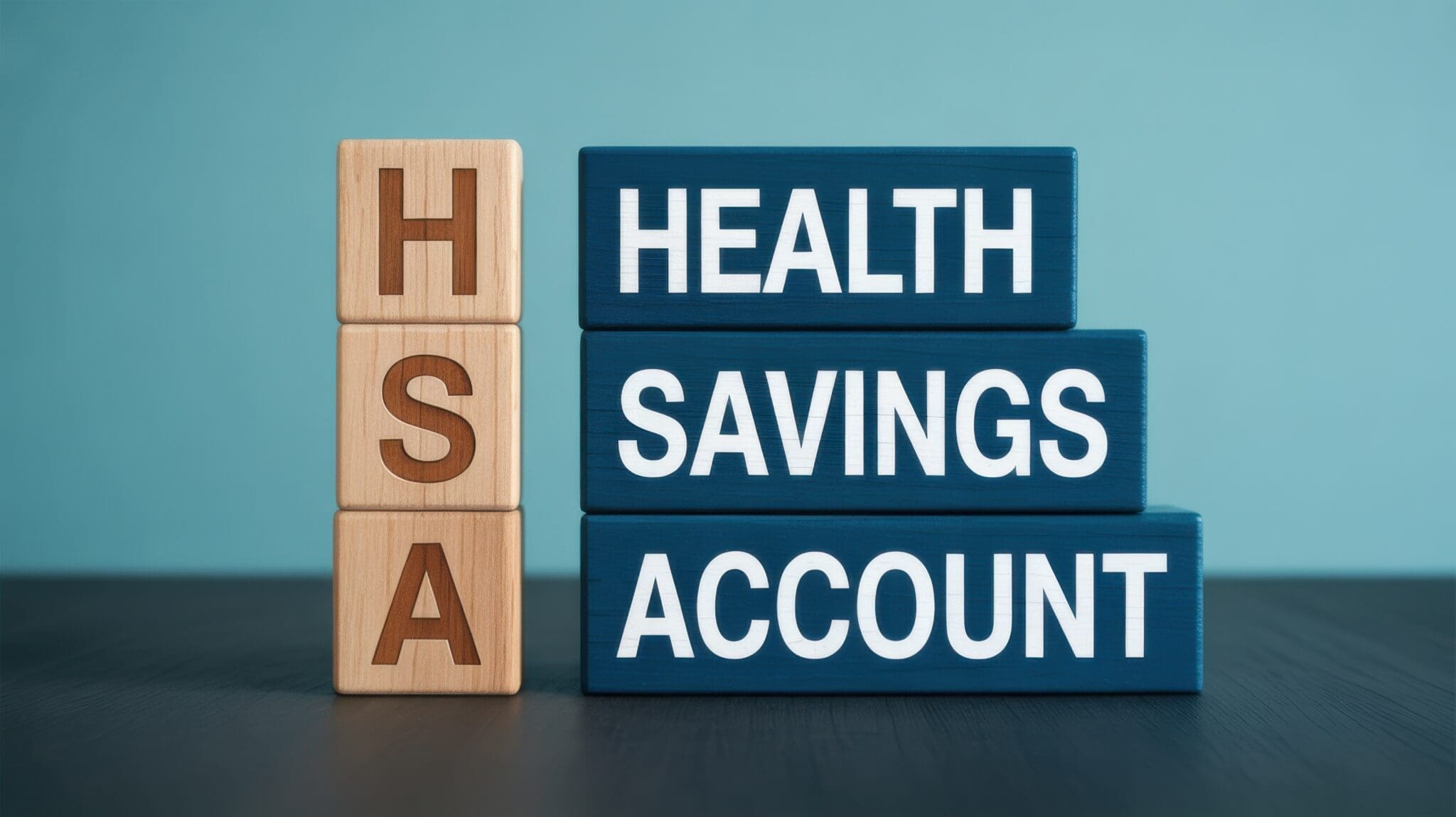
Employers are offering budgeting tools, financial education and personalized guidance while helping employees maximize valuable tax-advantaged accounts such as Health Savings Accounts (HSAs) and Flexible Spending Accounts (FSAs).
4. Artificial Intelligence Is Enhancing Benefits Administration
Artificial intelligence continues to reshape benefits administration by improving efficiency and personalization.
AI-powered tools can help streamline enrollment, automate routine administrative tasks and provide employees with more relevant benefit recommendations. Meanwhile, advanced analytics give employers deeper insights into workforce trends and benefit utilization.
5. Preventive Care Is Taking Center Stage
Employers are increasingly focusing on preventive healthcare strategies that encourage long-term wellness and reduce healthcare costs.
Screenings, wellness visits and early intervention programs help employees stay healthier while digital health tools support chronic condition management through personalized guidance and resources.
6. Retirement Planning Is Evolving
As people live and work longer, retirement planning continues to evolve. Employees are seeking flexible retirement options and resources that help them prepare for longer lifespans.
Organizations are responding with enhanced savings opportunities, educational resources and retirement planning tools designed to meet changing workforce needs.
7. Simplified Benefits Experiences Matter More Than Ever
Employees value simplicity and convenience when navigating their benefits. Employers are increasingly adopting integrated platforms that provide a single destination for enrollment, account management and benefits information.
A streamlined experience improves transparency for employees while reducing administrative complexity for HR teams.
8. Managing Healthcare Costs Remains a Priority
Rising healthcare costs continue to challenge both employers and employees. Transparency tools that allow individuals to compare providers and costs are helping consumers make more informed healthcare decisions.
Many employers are also expanding access to telehealth services and value-based care models to improve outcomes while controlling expenses.
9. Family and Caregiver Support Is Expanding
Supporting employees beyond the workplace is becoming increasingly important. Organizations are enhancing benefits that assist working parents and caregivers through childcare support, eldercare resources and expanded leave policies.
Additionally, the increased dependent care FSA limit of $7,500 per household offers employers another opportunity to help employees manage caregiving expenses more effectively.
10. Flexibility Continues to Define the Modern Workplace
Hybrid and flexible work environments remain an important part of today’s workforce. Employees expect flexibility in where and how they work, while employers seek ways to maintain engagement and collaboration.
Successful organizations are implementing policies and tools that support both remote and in-office employees while fostering connection and inclusion across teams.
Preparing for the Future of Employee Benefits
As employee expectations continue to evolve, employers who embrace flexibility, personalization and technology-driven solutions will be better positioned to attract and retain top talent.
At Advantage Administrators, we help employers navigate the changing benefits landscape with solutions that simplify administration, support compliance and enhance the employee experience.
Whether you’re looking to optimize your benefits strategy or improve employee engagement, our team is here to help you build a program that meets the needs of today’s workforce and tomorrow’s challenges.
The information in this blog post is for educational purposes only and should not be considered legal, tax or investment advice. Employers should consult with their legal, tax and financial advisors regarding their specific circumstances.