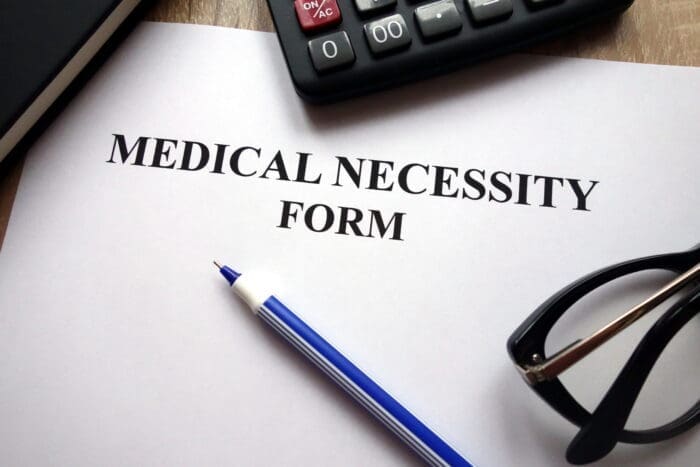
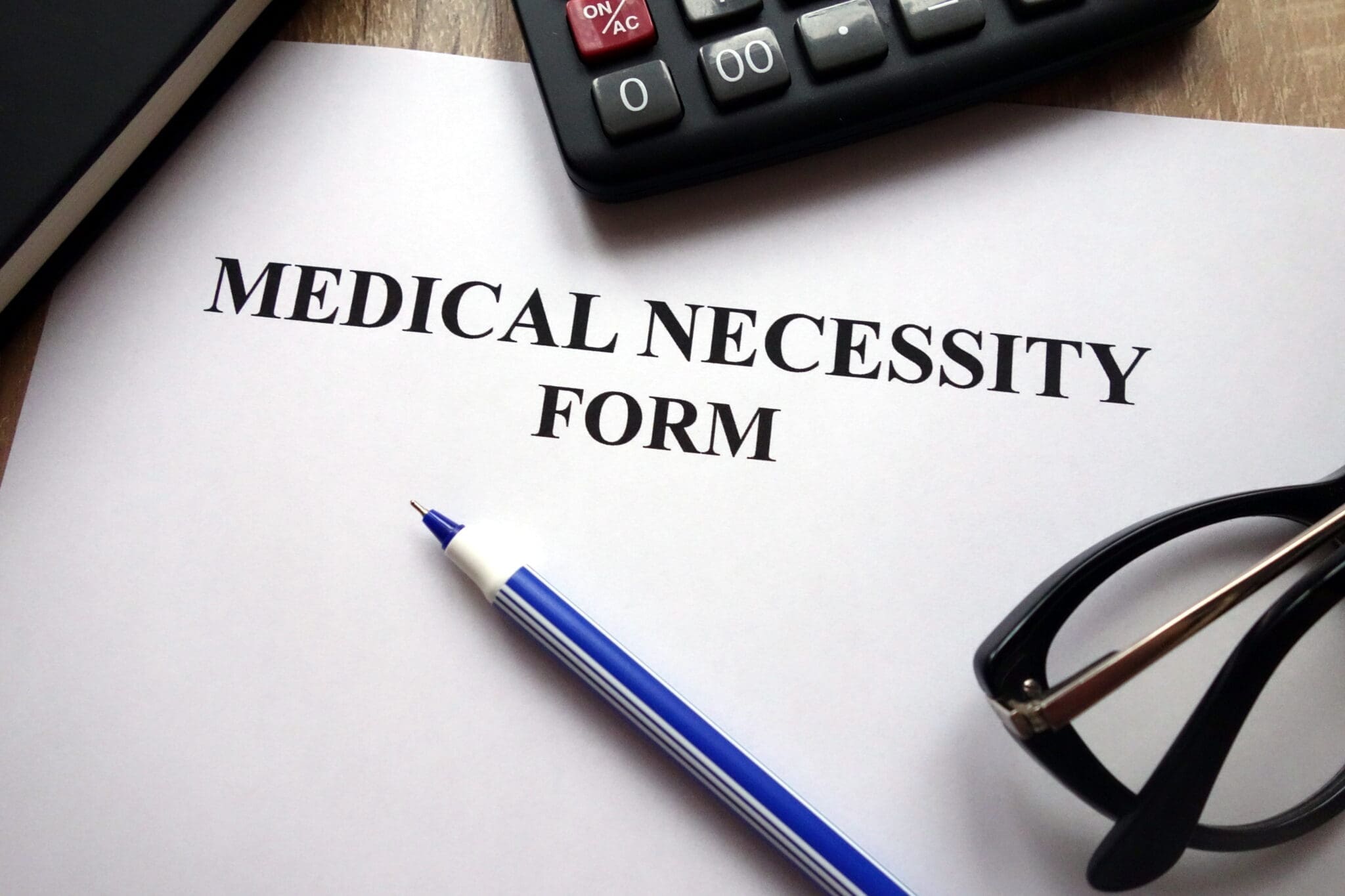
Understanding Letters of Medical Necessity for HSAs FSAs and HRAs
When managing pre-tax health accounts such as HSAs, FSAs and HRAs, it is easy to assume that all medical expenses automatically qualify for reimbursement. However, some services and products require additional documentation before they are considered eligible.
That documentation is called a Letter of Medical Necessity.
If you or your employees have ever been asked to provide one, understanding how it works can help prevent delays and ensure smooth reimbursement.
What is a Letter of Medical Necessity
A Letter of Medical Necessity is a written statement from a licensed healthcare provider confirming that a specific treatment, service or item is required to treat a diagnosed medical condition.
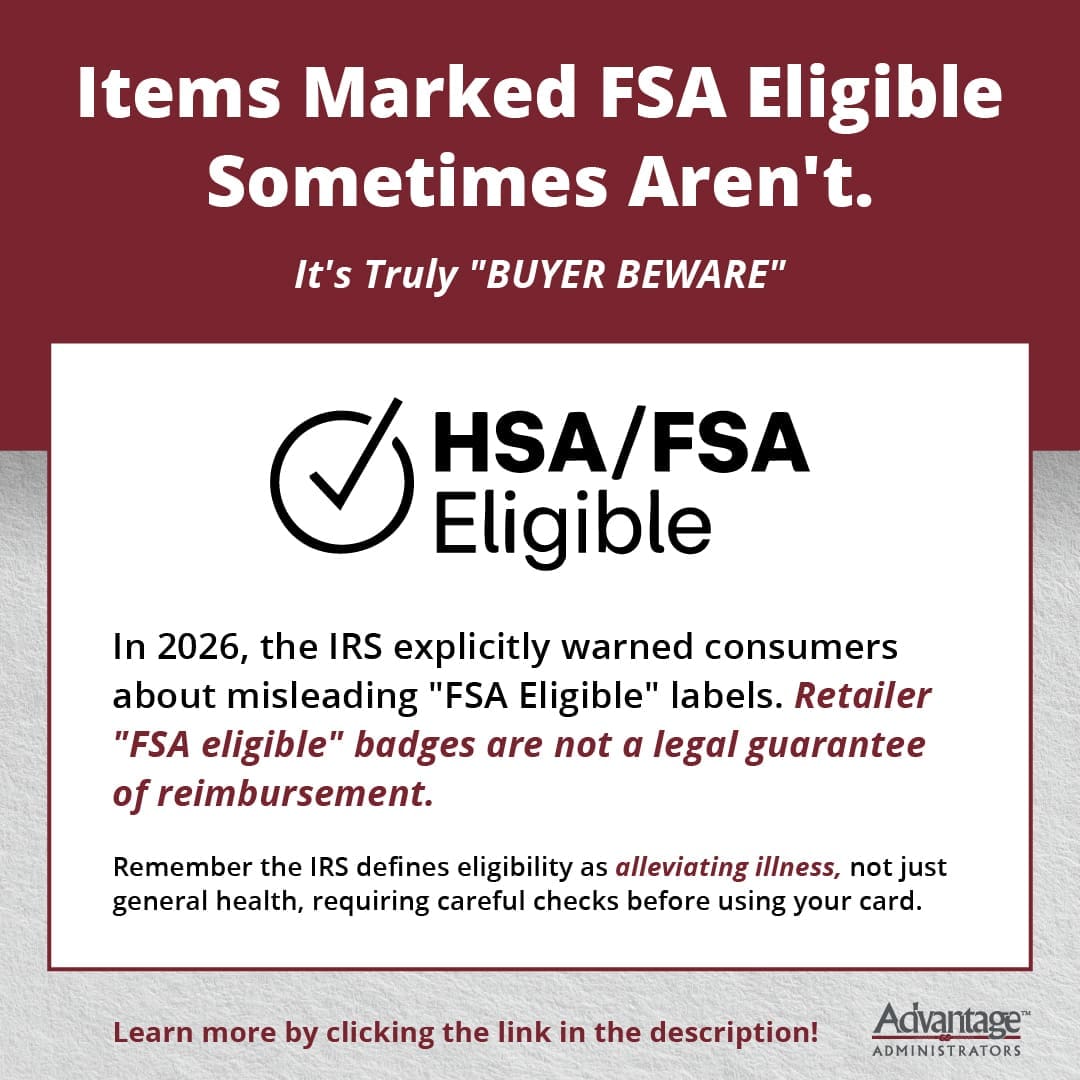
Certain expenses fall outside automatic IRS eligibility guidelines. However, they may still qualify if a provider verifies that the expense is medically necessary rather than for general health or personal preference.
In short, the letter serves as formal documentation that the expense is essential to treat a specific condition.
Why it matters
Failure to provide proper documentation can result in denied claims, delayed reimbursements or compliance issues. For employers, clear communication around Letters of Medical Necessity helps reduce frustration and improve the overall employee benefits experience.
Proactively understanding which expenses require additional documentation protects both the plan and the participant.
When a Letter of Medical Necessity may be required
Not all healthcare expenses require additional documentation. Many prescriptions and standard medical services are automatically eligible. However, some expenses fall into a conditional category and require provider verification.
Common examples include:
Massage therapy – Eligible when prescribed to treat a diagnosed condition such as chronic pain or injury recovery, not for relaxation.
Nutrition counseling– May qualify if required to manage conditions such as diabetes or celiac disease.
Gym memberships or structured exercise programs – Covered only when prescribed for medical treatment such as cardiac rehabilitation or physical therapy.
Orthopedic shoes or custom inserts – May require documentation confirming treatment of a specific foot or joint condition.
Weight management programs – Eligible when prescribed to treat conditions such as obesity, hypertension or diabetes.
Alternative therapies such as Holistic and Homeopathic – Eligibility may depend on the condition being treated and plan requirements.
Because eligibility rules vary by plan design, participants should always confirm requirements before incurring the expense.
How to obtain a Letter of Medical Necessity
If a Letter of Medical Necessity is required, participants should follow these steps.
Consult a licensed healthcare provider. The provider must clearly state why the treatment, service or item is necessary to treat the diagnosed condition.
Ensure the required information is included. A complete letter should contain:
The participant’s name and diagnosis.
The recommended treatment, service or item.
A clear explanation of medical necessity.
The provider’s name and credentials.
The provider’s signature.
The date the letter was issued.
Submit documentation to the plan administrator. Participants should confirm requirements before purchase and include the letter with their reimbursement request when applicable.
Incomplete documentation may delay processing.
Validity period
In most cases, a Letter of Medical Necessity is valid for one year from the date it is written. Some plans may require renewal sooner, particularly for ongoing services.
Participants receiving continued treatment should confirm that their documentation remains current.
Supporting smarter benefit utilization
Understanding when a Letter of Medical Necessity is required helps participants use their HSA, FSA or HRA funds confidently and compliantly. Clear guidance reduces claim issues, strengthens plan integrity and improves the overall benefits experience.







 Flex Plans
 Forms
Forms HSA
HSA HRA
HRA Retirement
 Health Shopper
 FSA Store